

Public Utilities Reports

PUR Guide 2012 Fully Updated Version

Available NOW!
PUR Guide

This comprehensive self-study certification course is designed to teach the novice or pro everything they need to understand and succeed in every phase of the public utilities business.

Order Now

Defying the Odds

Virginia brings a new coal-fired plant online.

Fortnightly Magazine - December 2012
This full article is only accessible by current subscribers. Please login to view the full content.
Not a subscriber yet? Click here to subscribe for one year of Fortnightly Magazine, and gain access to the entire Fortnightly article database online for you and three of your coworkers.

Recently a new coal-fired power station in Southwest Virginia went into commercial operation. This event stands in stark contrast with the current national trend away from coal for power generation, which was already developing before the present abundance of natural gas. Numerous coal-fired power stations were proposed by utilities during the brief coal renaissance of the past decade, but many have been canceled largely due to the substantial barriers that stand in the way of siting, permitting, and licensing.
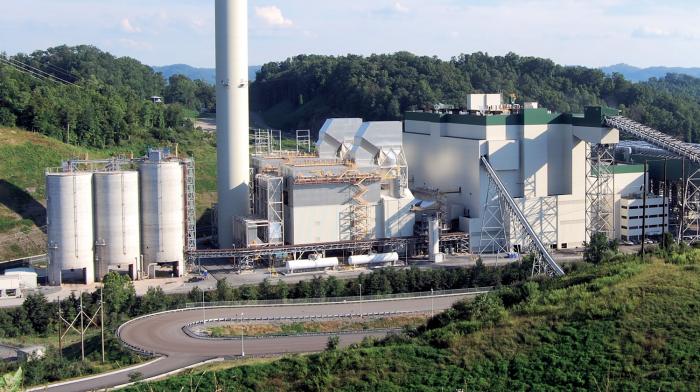
Despite increasingly stringent environmental regulations and other challenges, a few coal-fired plants have made it through to completion and are supplying power to customers. One such station is the Virginia City Hybrid Energy Center. The Virginia City station went on the grid with approximately 600 MW on July 10, 2012. What enabled this project to succeed while others failed?

The Virginia City project had the benefit of encouragement in the form of state legislation that provided incentives for investor-owned utilities to build coal-fired power plants in the coalfield region of Virginia. These incentives took the form of assurances of capital cost recovery and conditional rate-of-return enhancements that could help utilities overcome some of the uncertainties and risks associated with a major investment in a new coal facility. The legislation didn’t, however, excuse such projects from full compliance with all applicable environmental and other regulatory requirements.

Figure 1 - Coal-Fired Emissions Progress

In addition, the selection of a brownfield site, consisting of reclaimed mined land at Virginia City and the use of clean-coal technology, contributed to the project’s ability to succeed. Innovative use of air-cooled condensers minimized the consumption of water, which is in short supply in southwest Virginia, and helped protect a sensitive ecosystem. And an outpouring of public support played a major role in the progress of the plant’s application through a contentious regulatory process.

Tracing the path of the project reveals a series of events and critical decisions that aligned to secure a successful outcome. A wrong turn at nearly any point could have delayed or doomed it.

What were the odds against completion of a coal-fired power station? According to data compiled by Ventyx in July 2012, provided courtesy of Edison Electric Institute, there were 119 new coal-fired power stations announced in the United States from 2002 through 2010. Of these, 92 or 77 percent have been canceled or “postponed,” while to date, 27 or 23 percent are either operating, under construction, or have permits. This suggests that the chance of success was less than one in four during this period. Coal plant announcements peaked during the first half of the decade and have declined steadily since 2006. Despite the reputed renaissance of coal during the early part of the past decade, only eight new coal stations have come on line in the United States since 2002. Their total capacity, including the

This full article is only accessible by current subscribers. Please login to view the full content.
Not a subscriber yet? Click here to subscribe for one year of Fortnightly Magazine, and gain access to the entire Fortnightly article database online for you and three of your coworkers.