
Independent microgrids are coming. Will franchised utilities fight them or foster them?
Sara C. Bronin is an associate professor of law at the University of Connecticut School of Law and serves as the program director of the school’s Center for Energy and Environmental Law. Paul R. McCary is a partner at Murtha Cullina LLP, where he co-chairs the firm’s Energy Industry Group. He also teaches energy regulation and policy at the University of Connecticut School of Law.
The growing push for microgrids in the United States over the last five years has generated a lot of excitement. Those worried about our aging transmission and distribution infrastructure hope microgrids can reduce demands on that grid, while increasing reliability.
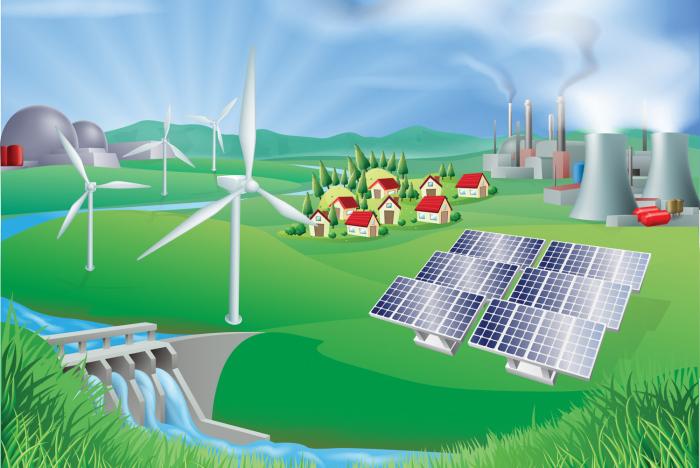
Environmentalists and energy efficiency advocates think microgrids can help us both decrease reliance on fossil fuels and improve the way we utilize waste heat. Academics love the concept, because microgrids—an out-of-the-box approach with far-reaching implications on user-utility relationships—provide great fodder for research and commentary. Perhaps most significantly in this struggling economy, a growing number of companies have invested millions in developing software, equipment, and configuration models that will generate even more economic investment if microgrids ever take off.
At the same time, however, microgrids have raised a lot of questions—mostly related to law and public policy—about implementation on the ground. Two of the biggest questions are these: First, how can microgrids with different configurations be integrated into our existing regulatory framework? And second, should utilities resist or embrace microgrids? These questions aren’t easy to answer.