Calendar of Events

May 21, 2013 to May 22, 2013 | Washington, DC
May 21, 2013 to May 22, 2013 | Charlotte, North Carolina
May 21, 2013 to May 23, 2013 | Atlanta, GA

Keywords

Public Utilities Reports

PUR Guide 2012 Fully Updated Version

Available NOW!
PUR Guide

This comprehensive self-study certification course is designed to teach the novice or pro everything they need to understand and succeed in every phase of the public utilities business.

Order Now

President Obama

NIST Launches Cybersecurity Framework

The National Institute of Standards and Technology (NIST) announced the first step in the development of a cybersecurity framework for critical infrastructure protection, a set of voluntary standards and best practices to guide industry in reducing cyber risks. Pres.


The Methane Myth

Incompetence and overreach at the EPA.

E. Scott Pruitt

The EPA’s new method for measuring the amount of methane that escapes from natural gas wells is based on flawed data. Oklahoma’s attorney general says this misguided policy decision treads on state regulatory authority and stifles resource development.

Going, Going ...

Clean energy jobs will be gone soon, if America fails to commit.

Edward Flippen

America needs an energy policy today that will bring together our best and brightest, harness the limitless capabilities of our research institutions, and invest whatever it takes to ensure America’s leadership in clean energy technologies. The result will be to create billion-dollar industries and millions of new jobs.

Bench Report: Top Ten Legal Decisions of 2011

Bruce W. Radford 

1. ‘Policy’ Guides the Grid; 2. Carbon Not a Nuisance (Yet); 3. Gigabucks for Negawatts; 4. A MOPR, Not a NOPR; 5. Ramp Up the Frequency; 6. Cap-and-Trade Still Lives; 7. Cyber Insecurity; 8. Korridor Killer; 9. The Burden Not Shared; 10. Ozone Can Wait.

Smart Pricing, Smart Charging

Can time-of-use rates drive the behavior of electric vehicle owners?

Ahmad Faruqui, et al.

Time-of-use (TOU) pricing might seem like the ultimate solution to ensure electric vehicle charging loads won’t overburden the grid. But will TOU rates guide drivers’ behavior when it’s time to top up their batteries? Early indicators suggest the answer varies among vehicle owners and pricing plans.

Electric Avenue

Connecting vehicles to smart systems.

Leo McCloskey

Electric vehicles (EV) are just getting started, with rapid growth ahead. Plug-in hybrids and other EVs could capture 20 percent of the U.S. auto market by 2030. When planning for future infrastructure and technology needs, utilities face difficult questions about how EVs will interact with the utility grid. A comprehensive approach to communicating and integrating vehicle information will allow utilities and drivers to make the most of smart electric transportation.

Not Your Grandfather's Utility

Larry G. Berg

‘We can’t have it both ways: costly mandates without full consumer understanding and support.’

Killing Coal

A senator’s crusade limits America’s options.

Michael T. Burr, Editor-in-Chief

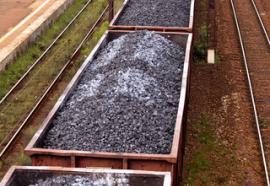
Oklahoma Sen. James Inhofe has made it his mission to block environmental regulations, especially greenhouse gas constraints. His most recent attack targets John Bryson, former Edison International CEO and Pres. Barack Obama’s nominee for Commerce Secretary. But rather than protecting economic interests, as Inhofe purportedly aims to do, his actions have added to the ongoing policy chaos that frustrates clean coal development.

Seismic Omen

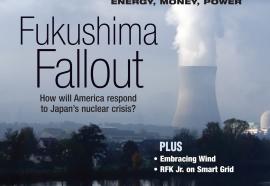
Fukushima shockwaves hit America’s nuclear renaissance.

Dan Scotto

In the aftermath of the March 11 earthquake and tsunami, questions are arising about the safety and survivability of reactors located in geologically active areas. Major changes might be required, and as a result the U.S. nuclear industry might face an existential challenge on the order of the Three Mile Island accident.

A Beautiful Mess

Only the fittest solutions survive in America’s policy wilderness.

Michael T. Burr, Editor-in-Chief

All things being equal, momentous events like the Fukushima nuclear disaster and the Arab spring would bring fundamental changes in U.S. energy policy. But things aren’t equal, and they never will be under America’s democratic and capitalistic process. Frustrating? Maybe, but it’s the only way to ensure our decisions are based on sound economic and environmental principles.

Pages