
Michigan PSC: Broadband Infrastructure
Robin Ancona, Eric Frederick, and Sean Kelly
MPSC-affiliated Connect Michigan facilitates expansion of broadband in Michigan.


Robin Ancona, Eric Frederick, and Sean Kelly

How project developers form their bidding strategies – and what it means for prices and the industry.

Exploring the cap-and-invest option.

Climate policy heats up after the Great Recession.

Using a trial-based approach to improve a project’s chances before state siting boards.
Project development isn’t getting any easier. Using a trial-based approach can improve a project’s chances before state siting boards. And time-tested principles of planning, discovery, and argument lay the groundwork for an effective appeal.
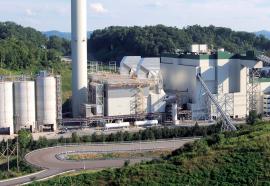
Virginia brings a new coal-fired plant online.
Reports of coal’s demise are exaggerated. This summer, Dominion cleared the regulatory gauntlet to start up a new coal plant. Whether the example can be replicated might hinge on state incentives—and the forward price of natural gas.

MATS compliance now, with flexibility for the future.
Conflicting demands for complying with EPA’s MATS rule favor a single control technology to deal with multiple types of power plant emissions.

The Homer City decision increases uncertainty—but rewards forward thinking.
The D.C. Circuit’s CSAPR ruling reinforces the benefits of planning ahead and keeping options open. A diverse portfolio strategy reduces risks and costs.

But transmission planning, as we know it, may never be the same.
The recent landmark ruling on transmission planning cost allocation, known as “Order 1000,” and issued by the U.S. Federal Energy Regulatory Commission in late July 2011, could well produce an unintended side effect — the formation of regional compacts among states to identify needs and plan for development of new power plant projects.

Utility-scale projects suffer growing pains.
Anyone who’s been watching the solar power industry for more than a few years can’t help but be impressed by the recent explosion of large-scale projects. It seems akin to the rapid scale-up of wind in the late 1990s and early 2000s—when megawatt-scale turbines became standard-issue, and the definition of a “large” wind farm changed from a capacity of 20 MW to something more like 200 MW.