

Interconnected Bulk Energy System
James Robb is NERC President and CEO. Mark Lauby is NERC Senior Vice President and Chief Engineer.
As we continue to retire other forms of generation, such as coal and nuclear, natural gas has become the dominant fuel for electric power generation in the United States with power generation now the largest end use for natural gas. Initially, the experience of operating the gas - electric system was seen as interdependent.
However, recent experiences have illustrated that these two systems have become interconnected, rather than just interdependent. A new reliability paradigm, the Interconnected Bulk Energy System, emerges with this evolution, reflecting the increased interrelationship between the gas and electricity sectors that has been growing steadily since the 1980s and has accelerated during the energy transition.
Recent events impacting the delivery of natural gas and electricity to consumers during cold weather conditions further emphasize the fundamental shift in the relationship between the two sectors. The table highlights the critical role and interdependency of natural gas and electric power generation and provides a comparison of recent events and their effects on both the natural gas system and bulk electric system generation, all of which resulted in the need for load shed. See Figure 1.
The frequency and subsequent impact of extreme winter weather has increased during the last decade on both the gas and electric systems. Indeed, as FERC Commissioner Allison Clements observed during a preview of the Winter Storm Elliott report findings at the September FERC open meeting, "... We've had five major winter events in the last eleven years... that is essentially a coin flip."
During Storm Elliott in 2022, gas pressures on Con Edison's gas system were so low, the utility was in danger of losing pressure on all, or large portions, of its local distribution system. Had the cold weather persisted, Con Ed would have been forced to reduce service to large portions of its natural gas customer base, resulting in millions of customers in New York City and nearby areas not being able to heat their homes.
It would have taken months to safely repressurize the system and restore service to customers. It also would have impacted New York City more significantly than during the 2003 Northeast Blackout, which lasted a little over a day. Ultimately, this was avoided by Con Ed's use of liquid natural gas coupled with the cold snap breaking and temperatures rising.
Likewise, during Winter Storm Uri in 2021, there was significant correlation between interactions between ERCOT's load shedding program and the interruption of service to critical natural gas facilities. This action created a self-perpetuating "loop of doom" that further exacerbated the loss of power generation facilities due to fuel issues.
These examples illustrate clearly that the relationship between natural gas and electricity goes beyond traditional interdependency characteristics. Rather, they have become an Interconnected Bulk Energy System, where the reliable operations of either system are impacted by events that emanate from the other system. It is time to recognize these systems as being interconnected and ensure that the risks from events originating from either system are managed.
Managing Risks with Interconnected Systems
Interconnected electric bulk power systems provide significant benefits, such as supporting a robust resource mix with agreed-upon contingency reserves, providing essential reliability services like frequency response, and ramping capability — substantial advantages that would be costly for a single participant to replicate.
 Jim Robb: NERC is calling for formalized coordination and collaboration between both industries, including development of a Reliability Standard-setting and enforcement organization.
Interregional transmission links large portions of North America, enabling the sharing of these benefits broadly, and facilitates the optimization of resource mix, diversity, and essential reliability services. But there are risks.
While the interconnected system can enhance reliability, it can also increase vulnerability due to its interconnected nature. Events such as the 1965 and 2003 blackouts bring these vulnerabilities into sharp focus as detailed in Julie Cohn's book, titled "The Grid: Biography of an America Technology."
After the 1965 Blackout and despite initial reservations, industry recognized the continued benefits of an interconnected system. A more collaborative, criteria-based approach was needed to ensure that the risks associated with being part of an interconnection of the North American grid, such as instability, uncontrolled separation, or cascading failures, were well managed.
Consequently, industry established the National Electric Reliability Council and several Regional Reliability Organizations to address risks to the reliable operation of the electric bulk power system. As part of this process, industry participants wrote and agreed upon the planning and operating criteria to ensure overall reliable operation.
 Mark Lauby: The cochairs, in the forward of their July 2023 Gas Electric Harmonization Forum Report, make a strong case that the time is now for creation of a Natural Gas Reliability Organization (GRO) to perform a similar role for the gas sector (wellhead through burner tip) that NERC performs for the electricity sector.

In 2005, with the advent of electric markets and following the 2003 Blackout, the United States Congress modified the Federal Energy Power Act, with Section 215 mandating the creation of an Electric Reliability Organization (ERO) that would report to the Federal Energy Regulatory Commission. This organization (now called the North American Electric Reliability Corporation or NERC) works with industry to develop necessary Reliability Standards, enforce the Standards, and perform periodic reliability assessments.
The Interconnected Bulk Energy System
In recent years, the resource mix has evolved, and now large amounts of electrically produced energy are being fueled by just-in-time delivery of natural gas. These dispatchable resources, which have replaced many coal-fired power plants, are increasingly critical to the reliable operation of the bulk power system as we add more variable energy producing resources, such as wind and solar, to the grid.
Consequently, disruption in natural gas supply impacts the reliable operation of the electric bulk power system in more dramatic ways today than in the past. That dynamic will only increase as other fossil-fire and nuclear dispatchable resources retire and variable generation expands.
Further, the natural gas energy system has become dependent on a reliable delivery of electrical power to support winterization efforts for wellheads and processing facilities, along with compressor stations and natural gas system control.
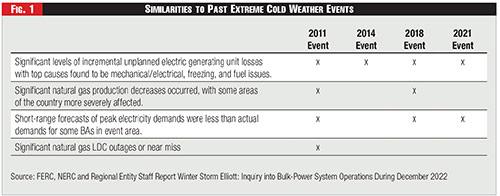 Figure 1 - Similarities to Past Extreme Cold Weather Events
Disruption of electric supply results in reduced production and supply of natural gas, and thereby the reliable operation of the natural gas system — as evidenced during Winter Storm Uri. This newly Interconnected Bulk Energy System provides great benefits for the consumer, enabling the grid transformation that is underway by supporting the integration of large amounts of energy-constrained renewable energy resources, while providing the dispatchable resources needed to offset the uncertainty from the variability of their output.
Until long-duration energy storage or forms of dispatchable clean energy production, such as small modular nuclear reactors, are available at scale, this use of natural gas supports reliability, resilience, and affordable electricity, and improves the environmental footprint compared to the use of coal or fuel oil for dispatchable generation.
Electric generation also increases consumer efficiency/control for residential, commercial, and industrial applications and provides a backbone for natural gas system visibility and control.
But there are risks.
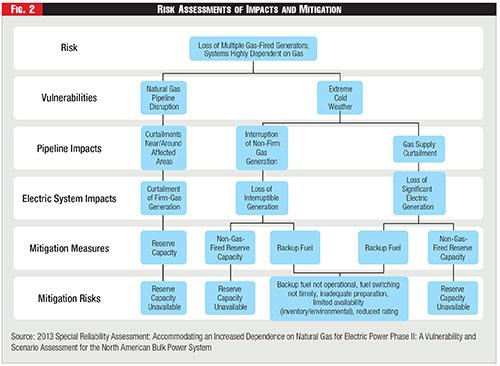 Figure 2 - Risk Assessments of Impacts and Mitigation
Impacts on the reliability of both systems have become more evident as the gas and electric grids increasingly integrate, creating an Interconnected Bulk Energy System. Winter Storms Elliott and Uri are recent examples, with other events resulting in very tight operations for both systems. And this will only increase in the coming years as this diagram of Risk Assessments of Impacts and Mitigation shows.
See Figure 2.
This, coupled with the increasingly volatile cyber and physical security risk landscape, elevates the importance of understanding how each system will support the overall reliable operation of the Interconnected Bulk Energy System.
The new interconnected operating paradigm raises many questions about how electric system operators are hardening their equipment and facilities (both physical and cyber) to assure that electricity is not disrupted to critical loads that support the reliable operation of both the electric and natural gas systems.
North America Requires Reliability Standards for the Interconnected Bulk Energy System
The emerging Interconnected Bulk Energy System requires a new suite of specific Reliability Standards to ensure reliable operation of the interconnected systems.
Leadership from both the natural gas and electric power industries is vital to set the path forward for the reliable operation of this newly interconnected energy system. Clear expectations about how the gas and electric sectors support reliability must be developed collaboratively, including the investments needed, cost-recovery mechanisms, and how challenges to reliability are addressed.
Over the past two years, the North American Energy Standards Board convened representatives from the natural gas and electric sectors under the leadership of three energy experts — former Department of Energy Assistant Secretary Sue Tierney, former Public Utility Commission of Texas Chair and former FERC Chair Pat Wood, and former PUCT Commissioner and Chair Bob Gee.
While the forum advanced more than twenty pragmatic recommendations for improving coordination between these two systems, only a handful were ultimately agreed upon by natural gas and electric industry representatives. Given the critical nature of the issue, this is a disappointing outcome.
The cochairs, in the forward of their Gas Electric Harmonization Forum Report, make a strong case that the time is now for the creation of a Natural Gas Reliability Organization (GRO) to perform a similar role for the gas sector (wellhead through burner tip) that NERC performs for the electricity sector.
Acting FERC Chair Willie Phillips supports the report's conclusions and continues to amplify that case. Further, the Winter Storm Elliott Report also identified this need as part of its recommendations.
While FERC and/or NERC could possibly play a role in establishing a GRO, it is critical that an entity with some authority is mandated to assure natural gas system reliability. This is especially vital due to the fundamental role of gas in an Interconnected Bulk Energy System upon which North Americans are becoming increasingly dependent.
The GRO would be mandated to coordinate with the ERO and develop the needed Reliability Standards that would ensure this Interconnected Bulk Energy System is reliable and affordable for the benefit of customers.
Going forward, the interconnected nature of the natural gas and electric system will expand. NERC is calling for formalized coordination and collaboration between both industries, including the development of a Reliability Standard-setting and enforcement organization that encompasses the Interconnected Bulk Energy System and the deep need for coordination between both industries to ensure their reliable operation.
Links to figure sources:
- Figure 1: FERC, NERC and Regional Entity Staff Report Winter Storm Elliott: Inquiry into Bulk-Power System Operations During December 2022
- Figure 2: 2013 Special Reliability Assessment: Accommodating an Increased Dependence on Natural Gas for Electric Power Phase II: A Vulnerability and Scenario Assessment for the North American Bulk Power System
