

Affordability
At NASUCA Michael Moody is President, Tom Content is Vice President, Anthony Ornelas is Treasurer, Karen Stachowski is Secretary, and David Springe is Executive Director.
Affordability is one of those issues that everyone is talking about right now. It comes up in rate cases, in long-term planning, and in conversations about everything from grid modernization to large-load growth. But for most customers, it still shows up in a much simpler way: a number on a monthly bill that may or may not fit within the rest of the household budget.

The challenge, of course, is that those numbers don't happen by accident. They are the result of a long series of decisions about what to build, how to build it, and how those costs are ultimately recovered.
This feature brings together a range of perspectives on how those decisions are being made today. In our conversation with NASUCA Executive Director David Springe, there is a clear sense of how much the regulatory landscape has changed, and how that growing complexity is shaping affordability challenges across the country.
That theme carries through in a roundtable with the NASUCA Officers, where the focus shifts to the day-to-day work of evaluating investments, asking difficult questions, and making sure the analysis behind major decisions holds up.
State perspectives help ground that discussion. Chris Ayers describes the pressures building in North Carolina as infrastructure needs and large-load growth accelerate, while also emphasizing the importance of managing costs before they reach the bill. Claire Coleman offers a view from Connecticut, where affordability is being incorporated more directly into program design and regulatory frameworks.
 Michael Moody: It comes back to transparency. Public trust grows when people see that decisions are grounded in real analysis rather than assumptions or political pressure. Regulators should insist on strong evidence, clear data, and open review of major proposals.
Across each of these conversations, one idea comes up again and again: affordability is not just something to address after the fact. It is something that has to be built into the decisions that shape the system itself.
The Affordability Agenda
PUF: When you think about affordability this year, what issues do regulators and utilities need to confront most directly?
Michael Moody: We have to first define affordability in our respective states because you can't solve a problem without defining it. Many states use energy burden calculations to determine the amount of a person's household income that is spent on energy, and there are also several other metrics that look at the number of disconnections, shutoffs, and arrearages.
But we can't stop at defining affordability or even treating the symptoms of unaffordability through energy assistance programs. We also must apply that affordability mindset in the cases before the commissions. In Michigan, Attorney General Dana Nessel has helped save customers over $4 billion by applying this affordability mindset in every rate case before the commission.
 Karen Stachowski: Michael Moody: Looking at the full water bill, including drinking water and wastewater together, provides a clearer picture of affordability and helps regulators better understand the total burden on households.
The bigger issue is the steady growth in utility spending. Aging infrastructure, new grid demands, EV charging, and large new loads all require capital investment, and those costs eventually land on customer bills. Even when each project has a reasonable justification on its own, the cumulative impact can still be significant for households already managing rising living expenses.
That's why regulators need to demand clear justification for major projects and rate requests. Utilities should be able to show, in plain terms, why an investment is necessary and whether there's a more cost-effective way to accomplish the same goal. If so, the case should stand on its merits. If not, regulators must be willing to slow things down and ask tougher questions before approving spending that could affect customers for decades.
One thing we see repeatedly is that utilities often present a project as the solution without fully explaining what alternatives were considered. Regulators should require utilities to show that they evaluated multiple approaches and chose the one that delivers the best outcome for customers at the lowest reasonable cost. That kind of transparency makes it easier for regulators and advocates to evaluate proposals on their merits.
At the same time, we need targeted programs that help households manage bills when costs rise, such as energy efficiency programs that can produce significant monthly savings. Real progress on affordability comes down to two things: disciplined spending and focused support for customers who need it most.
 Tom Content: If policymakers offer something like a one-time credit, it may be well-intentioned, but it still must be paid for somewhere, and without transparency, customers may face higher costs later.
Anthony Ornelas: I agree. In smaller or more rural states, we don't have the resources to offset rising costs with large subsidies, so the regulatory process becomes the primary safeguard for affordability.
When utilities propose major upgrades, regulators should ask basic questions. Is this the least expensive option? Can the work be phased in over time? Are there grants or outside funding sources that could reduce the impact on customers? Those questions matter because once spending is approved, it almost always flows into rates and remains there for many years.
In rural states, affordability challenges can also look different than they do in large metropolitan areas. Customer bases are smaller, which means infrastructure costs are spread across fewer people. A project that might have a modest impact on a large footprint can create noticeable bill increases in a smaller one, simply because there are fewer customers sharing the expense.
That makes scrutiny especially important. Regulators must examine not just whether a project is necessary, but also whether the timing and financing structure are appropriate. Sometimes the most responsible decision is not to reject an investment, but to implement it gradually so customers have time to absorb the cost and adjust.
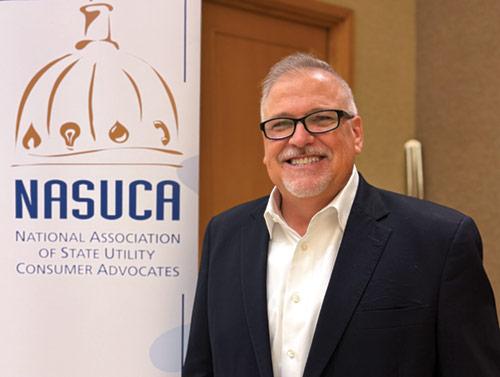 David Springe: Increasingly, consumer advocates are encouraging regulators to view water affordability as part of a household’s overall utility burden.
We also have to think carefully about how we support customers who are struggling today. That can include low-income discounts, payment programs, or other tools that help households manage essential bills. But those policies work best when regulators have good data about who is falling behind and why. Understanding where the pressure points are helps policymakers respond more effectively and design programs that actually reach the customers who need them.
Tom Content: Affordability discussions often get pulled into politics, but for consumers this isn't partisan. People simply want reliable service they can afford and a system they can trust.
For regulators, that means focusing on practical solutions. Utilities are going to invest in infrastructure, and many of those investments may be necessary to maintain reliability and support rising demand. The key question is whether those dollars are being spent in the most efficient way possible and whether customers are seeing real value when they open up their bills.
Regulators should prioritize projects that deliver the greatest benefit for the lowest cost and require clear explanations and bar the use of jargon as much as possible so that customers can better understand their bills. Nobody's thrilled when the prices go up. But when decisions are explained clearly and backed by evidence, customers will understand why certain choices were made.
 Anthony Ornelas: Regulators must examine not just whether a project is necessary, but also whether the timing and financing are appropriate, especially in smaller states where costs are spread across fewer customers.
In the end, the agenda is fairly straightforward: ask tough questions, demand evidence, and keep customers at the center of every decision. And make sure affordability is job one in the current environment.
Data, Oversight, and Fair Rates
PUF: Affordability often becomes a political issue. From your perspective, what are the best and worst ways policymakers can intervene, and what do ratepayers ultimately need most from the process?
Tom Content: The worst approach is grandstanding, making promises that sound good politically but can't be delivered. The best approach is honesty about the trade-offs involved. If policymakers offer something like a one-time credit for customers, it may be well-intentioned, but it still must be paid for somewhere. If that isn't explained clearly, customers may face higher costs later.
Affordability decisions often involve difficult choices. Sometimes regulators are weighing infrastructure investments, reliability improvements, and long-term system needs at the same time they are trying to limit the impact on household bills. At a time of large load impacts from data centers, we are concerned that customers could be left unprotected by too much infrastructure investment if the AI industry players' business plans evolve or if the AI investment bubble pops.
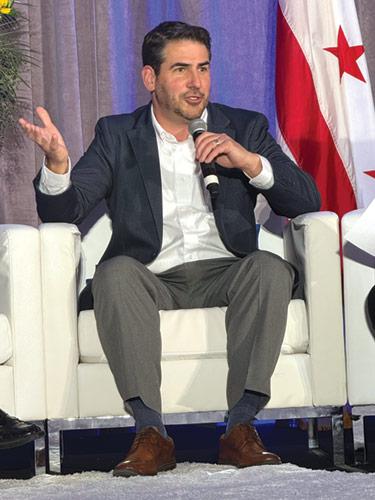 Michael Moody: Regulators should also consider lowering the utility’s return on equity and requiring greater use of debt, since high allowed returns and capital structures that lean heavily on shareholder financing are major drivers of customer costs.
That's why it's so critical that regulators use the tools at their disposal, such as the return on equity decision, to ensure there's enough balance between the utilities' shareholders and the customers footing the bill. Policymakers have to be transparent about what's being prioritized and why. You won't make everyone happy in this line of work. But when trade-offs are acknowledged openly, people are far more likely to accept the outcome.
When bills increase, regulators should investigate what happened and explain the causes clearly. Customers want to know whether the increase reflects necessary investments, rising fuel costs, or other factors that are outside anyone's control, and that utility proposals have been adequately vetted to make sure that the utility spending is in the public interest.
If people don't understand the reasoning behind decisions, and don't trust that decisions came after an open process that valued public input, it becomes harder to maintain confidence in the regulatory system.
Michael Moody: I agree. Customers need to know that decisions are grounded in real analysis, not political reaction. If policymakers intervene, it should strengthen oversight rather than bypass it.
For example, giving regulators better audit authority and requiring more transparency in decision making and at hearings can improve accountability. Those kinds of policies help regulators do their job more effectively and allow the public to see how decisions are being made.
Regulators need access to better data and a full record in front of them to make good choices that protect the customer's pocketbook while maintaining safe and reliable energy. Having active advocates, like NASUCA members, in every hearing asking hard questions help create a full record and help create the transparency the public needs.
Customers ultimately need consistency and confidence that the math behind decisions has been done carefully. When the analytical work is visible and the reasoning is clear, it becomes easier for customers to trust that the outcome is fair, even in situations where the result isn't what everyone hoped for.
Anthony Ornelas: Customers also need a voice in these conversations. The most constructive interventions create opportunities for consumers to be heard, whether through advisory groups, community engagement processes, or public hearings on affordability.
Those forums allow regulators to hear directly from the people who are affected by rate decisions and policy changes. They also help ensure that discussions about affordability reflect real household experiences, not just theoretical models.
The worst approach is promising sweeping reforms without the funding or structure to support them. Effective policy means making sure protections are real and durable, particularly for vulnerable customers who feel rate increases most sharply.
Programs and policies need to be designed in a way that they can actually be implemented and sustained over time. If a proposal sounds good in theory but can't be maintained financially or administratively, it can end up creating confusion and frustration for customers rather than providing meaningful help.
PUF: Let's turn to arrears, disconnections, and the role of data. In smaller or more rural states, what makes disconnection particularly difficult to implement?
Anthony Ornelas: In rural areas, disconnection can quickly become a safety issue. Customers may live hours from the nearest town and depend heavily on utilities for basic needs like heat and water. Shutting off service in the middle of winter, for example, can put people in real danger, especially in regions where temperatures can drop quickly and alternative heating sources may not be readily available.
Smaller systems also lack the staff and resources that larger utilities have to manage disconnections and assistance programs. Customers may not know help is available, and once service is disconnected it becomes harder for them to seek assistance. Without electricity or internet access, even completing a simple application or contacting the utility can become difficult.
Transportation barriers can also play a role. In some rural communities, customers may need to travel significant distances just to reach an office or service center where they can resolve a billing issue or apply for assistance. Those realities make it much harder to rely on traditional approaches to collections or disconnection that might work in more urban areas.
Rural communities also tend to have fewer charities or social service programs available to provide emergency support. For that reason, regulators often rely on stronger notice requirements or moratoria to give customers time to find solutions before disconnection occurs. Those additional safeguards recognize that losing service can have far more serious consequences in remote areas, where resources and support systems are limited.
Tom Content: Another challenge is that rules don't always apply evenly. Some smaller utilities operate under different regulatory frameworks, which can leave gaps in consumer protections. As a result, customers in one community may have access to protections or programs that are not available just a few miles away, even though their circumstances are very similar.
Data is also a major issue. We need better reporting on disconnections, energy burden, and other factors affecting affordability. Disconnections are often reported months after they occur, if they're reported at all. That delay makes it difficult for regulators and advocates to see problems developing in real time or to understand how widespread the issue may be.
If regulators had more timely and consistent reporting, they could identify trends earlier and connect struggling customers with assistance programs before service is shut off. Better data gives policymakers the ability to respond proactively instead of reacting after the fact.
Michael Moody: Disconnections are a blunt tool that rarely solve the underlying problem. Customers under financial stress often make difficult choices just to keep their service connected. Sometimes that means cutting back on groceries, medical care, or other essential expenses to pay the utility bill.
That's why regulators increasingly push for alternatives like payment plans, income-based programs, and community assistance funds. Those tools allow customers to address their balances while maintaining access to essential services. In many cases, they also help utilities recover outstanding payments more effectively than disconnection would.
Approaches like that recognize that keeping people connected while they work through financial challenges often brings a much more constructive outcome for everyone involved.
PUF: Let's talk oversight. If regulators could do one thing to improve affordability oversight, what would it be?
Michael Moody: Strengthening regulatory oversight is important. In some cases, advocates don't always have full visibility into the models or assumptions utilities use when they present affordability projections. A utility might say, "We've run the numbers and customers will be fine," but if advocates can't fully review those assumptions, it can make it harder to build confidence in the outcome.
Giving advocates the ability to examine the assumptions and methodology behind major filings would help ensure decisions are well grounded. It allows advocates to test projections, understand the risks, and evaluate whether the analysis reflects realistic customer behavior and market conditions. That level of scrutiny is especially important when decisions involve large investments that will affect customer bills for many years.
Ultimately, that level of transparency benefits everyone involved. Utilities can demonstrate that their proposals are sound, regulators can make decisions with greater confidence, and customers can see that the process is based on evidence rather than assertions. When the analytical foundation is clear, the debate can focus on policy choices rather than questioning the numbers themselves.
Tom Content: Transparency really is the foundation. Agreeing on clear definitions is a good starting point, but the conversation also benefits from solid, shared data. When utilities and regulators are working from the same information on bills, arrears, disconnections, and other indicators, it becomes much easier to understand where affordability pressures are emerging and how serious they may be.
So much more data is available than when CUB or NASUCA were first founded decades ago. When the numbers are visible, the debate becomes more constructive. Stakeholders can focus on solutions rather than arguing about what the data means or whether the underlying assumptions are accurate.
Ultimately, the goal is simple: let the math guide the conversation. When the information is clear and accessible, decisions carry more credibility with both policymakers and the public.
Anthony Ornelas: Independent analysis can help as well. Some states fund analysts within consumer advocate offices to examine the information utilities submit, which can add another layer of verification. Even occasional spot checks can strengthen confidence in the process and reassure customers that proposals are being reviewed carefully.
It's also important to look at affordability data more closely. Statewide averages can sometimes mask challenges in specific communities. Breaking down information by geography, income levels, or customer classes can help regulators identify where pressures are most significant and where targeted solutions may be needed.
That kind of detailed analysis helps ensure that policies are responding to real conditions on the ground rather than relying solely on broad statewide trends. When regulators have a clearer picture of how different communities are affected, they can design more effective and equitable responses.

PUF: Before approving a new rate structure that claims to reduce bills for typical households, what should regulators require utilities to demonstrate?
Tom Content: First, make it understandable. If the proposal relies on spreadsheets that even experts struggle to interpret, it's not transparent enough. Utilities should provide clear before-and-after examples of how the change affects real households.
Show what a bill looked like under the current structure and what it would look like under the proposal for different types of customers: low usage, typical households, and higher usage families. When those examples are presented clearly and in plain language, it becomes much easier to evaluate whether the proposal delivers what it promises.
Beyond that, the rationale should be explained in straightforward terms. If utilities say residential customers will save, they should clearly show how those savings occur and under what conditions they apply. Sometimes costs are simply shifted between different charges on the bill. That may still be reasonable, but it should be obvious who benefits, who might pay more, and why the change is being proposed in the first place.
Anthony Ornelas: Regulators should also closely examine the assumptions behind those examples. If a proposal assumes customers will shift usage or change behavior, there should be evidence that those assumptions are realistic.
Many households do not have the flexibility to change their usage patterns dramatically. People still need to cook dinner, heat their homes, or run appliances at certain times of the day. If a proposal only works under idealized assumptions about how customers will behave, regulators need to question whether the expected benefits will actually materialize for typical households.
Michael Moody: Some jurisdictions have used pilot programs or "shadow billing," where utilities calculate what bills would have been under the new structure using real customer data. That approach gives regulators an opportunity to test the proposal before implementing it broadly.
Approaches like that help regulators verify the claims before the change is rolled out widely. They also provide valuable insight into how different customer groups might be affected. Ultimately, the standard should be straightforward: demonstrate clearly, with real examples and credible evidence, that the proposal delivers the benefits it promises.
PUF: When regulators talk about "choice" and "flexibility" in rate design, how should they think about fairness for customers who may already feel financially stretched?
Anthony Ornelas: "Choice" and "flexibility" sound appealing, but in practice many households don't have the time or resources to navigate complex options. If someone is already struggling to pay bills, expecting them to quickly adapt to new rate plans or invest in smart technologies isn't always realistic.
That's why fairness matters. Innovative options like time-of-use rates or demand programs can be helpful, but they should remain voluntary and easy to understand. Customers who stay on a standard rate shouldn't be penalized simply because they prefer a predictable structure or don't have the flexibility to change their usage patterns.
Regulators should ask a simple question: Does the option clearly help some customers without harming others? If a new plan only lowers bills for people who can constantly monitor prices or shift usage throughout the day, while raising costs for typical households, it's probably not a fair reform.
Choice works best when it's simple, transparent, and genuinely optional. Customers should be able to participate if it benefits them, while still having access to a stable and predictable rate structure if that better fits their circumstances and household needs.
Infrastructure and Rising Costs
PUF: Capital investment often sits at the center of affordability debates. What types of filings or projects tend to create the most tension?
Michael Moody: Broad general rate cases are often the biggest challenge because they bundle many different investments together and can lead to sizable requested increases. When customers hear about a double-digit rate request, the natural reaction is to ask why costs are rising so quickly and whether all of those investments are necessary at the same time.
General rate cases can include everything from system maintenance to large capital projects, so they tend to concentrate a lot of pressure into a single proceeding. Regulators and advocates must go through those filings carefully, line by line, to understand which investments are essential now and which might reasonably be phased in over time.
Beyond general rate cases, large infrastructure requirements can also create pressure. Projects tied to reliability, storm hardening, or wildfire mitigation are often mandated or strongly encouraged by policy.
While those investments may be important for safety and reliability, the question becomes how to balance costs between shareholders and customers and manage the costs in a way customers can afford. When those costs accumulate quickly, they can create significant challenges for households already struggling with rising bills.
Tom Content: When customers hear about significant rate increases, the reaction is immediate and understandable. People want to know why an investment is needed and whether it will improve service and reliability. If a utility proposes a major upgrade or expansion, customers expect to see a clear connection between the spending and the benefits they will experience.
Some filings move quickly, particularly those tied to new technologies or large system upgrades. That can make it harder for customers to see the full debate around the benefits and trade-offs. Whenever there's a major generation or grid project proposed, it's important for regulators to examine both the costs and the expected improvements carefully.
Regulators need to be able to review a utility's plans in a comprehensive way, so they don't lose sight of the forest while looking at each tree. Customers deserve to know not only what the project will cost, but how it will affect reliability, resilience, and long-term system performance.
Anthony Ornelas: In smaller states or communities, the math can make these situations even more challenging. A relatively modest infrastructure project can translate into a large percentage increase for customers simply because the system is small.
In those cases, regulators often have fewer options for spreading costs across a large customer base. Even necessary upgrades can create noticeable bill impacts. That's why it becomes especially important to evaluate timing, financing options, and whether outside funding sources might help reduce the burden on customers.
Looking closely at how projects are phased in or financed can make a meaningful difference. In some cases, spreading costs over a longer period or identifying alternative funding sources can help essential improvements move forward while keeping bills manageable for customers.
PUF: When costs are unavoidable, such as wildfire mitigation or resilience investments, what are the fairest ways to manage them?
Anthony Ornelas: In the West, wildfire mitigation alone has become a major cost driver. Communities want stronger safety measures like better poles, vegetation management, and sometimes undergrounding lines, but those improvements are expensive and often require long-term planning and sustained investment.
The challenge is deciding how those costs are shared. Spreading them evenly across all customers can create hardship, especially for low-income households that did not contribute to the underlying risks. Regulators have to consider how those investments are recovered in a way that protects vulnerable customers while still ensuring that the necessary work gets done.
That may include spreading costs broadly, so no single group carries the full burden, while protecting a basic level of service for households that are already struggling. States often rely on a combination of broader cost sharing, assistance programs, and outside funding sources such as grants or federal programs. In many cases, addressing these challenges requires a mix of policy tools rather than relying on a single solution.
Tom Content: When costs are driven by safety requirements or mandates, it is reasonable to ask whether every dollar should come from utility customers alone. In some cases, broader public funding or special programs can offset part of the expense and reduce the impact on household bills.
These approaches recognize that some investments provide benefits that extend beyond individual customers. For example, improvements that reduce wildfire risk or strengthen system resilience can protect entire communities. When that's the case, we should look to maximize the use of funding sources that reflect those broader public benefits and distribute the costs more widely.
Michael Moody: Timing also matters. Large, sudden increases are difficult for customers to absorb, especially when several infrastructure projects are occurring at the same time.
Regulators should also consider lowering the utility's return on equity and requiring greater use of debt, since high allowed returns and capital structures that lean heavily on shareholder financing are major drivers of customer costs.
PUF: Water affordability is receiving more attention in policy discussions. From the consumer advocate perspective, what factors should regulators consider?
Karen Stachowski: One of the first challenges is defining what "affordable" actually means. There isn't a universally accepted standard for water affordability, and that makes the discussion more complicated than it might appear at first glance. Many advocates rely on general benchmarks, such as the share of household income spent on basic water service, as a starting point for evaluating affordability.
But that kind of metric only tells part of the story. Beyond those benchmarks, we examine how typical water bills compare to local incomes and usage patterns within a community. What looks manageable in one region may be a significant burden in another, especially when household incomes vary widely or when local infrastructure costs differ.
We also look closely at rate structures. Some systems are designed in a way that protects essential water use through lower rates for the first portion of consumption, while others place a larger share of costs on basic service through fixed charges. Understanding how those structures affect customers is essential because even small differences in rate design can significantly affect household bills.
Another key factor is whether assistance programs exist and whether customers can realistically access them. Programs may be available on paper, but if enrollment is complicated or awareness is low, they may not reach the households that need them most. Regulators often need to consider not just whether assistance exists, but whether it is easy for customers to find and use.
Finally, it's important to evaluate the combined impact of drinking water and wastewater charges. Many households pay both, and when those costs are considered together they can represent a meaningful share of monthly expenses. Looking at the full water bill, rather than treating each service separately, helps provide a clearer picture of household affordability.
David Springe: Increasingly, consumer advocates are encouraging regulators to view water affordability as part of a household's overall utility burden. Families do not experience water bills in isolation. They are paying for electricity, gas, water, wastewater, and sometimes telecommunications at the same time.
When policymakers evaluate each service separately, it can be difficult to see how those costs interact in a household budget. Looking at the full picture makes it easier to identify where affordability pressures are concentrated and where assistance may be needed most.
That broader perspective can also inform policy decisions. If regulators understand how multiple utility bills affect a household at once, they can design programs or rate structures that address the combined burden rather than focusing on one service at a time. In many cases, that kind of coordination can lead to more effective and practical solutions for customers.
Large Loads and the Future Grid
PUF: Large industrial loads and data centers are becoming a bigger part of the conversation. How should regulators approach those proposals?
Tom Content: The simplest way to explain it is this: imagine a community hosting a large data center or manufacturing facility that uses as much electricity as hundreds of thousands of homes. At first, there may be enthusiasm about the economic development and increased tax revenue from a project.
But serving that new demand often requires significant and at times unprecedented infrastructure investments such as new transmission lines, substations, or upgrades to the local grid. Those projects cost money, and utilities typically recover those costs through customer rates. That means regulators have to think carefully about how those investments are structured and who ultimately bears the financial risk.
If everything goes as planned and the facility operates for decades, the tech company, utility and the community can thrive. But if the project doesn't materialize or the company leaves earlier than expected, customers could be left paying for infrastructure that was built to serve someone else's sizable demand.
That's why regulators have to evaluate these proposals carefully. Given the scale of the changes being asked of the grid, the focus should remain on protecting customers from unnecessary financial risk. In light of current affordability challenges, the goal should be to put downward pressure on rates and bills.
Michael Moody: From a customer perspective, the concern is straightforward. People want to know whether their bills could rise if infrastructure is built for a large company that later scales back operations or leaves the area.
That's why regulators often require specific protections in these agreements. Developers may be asked to contribute up front toward infrastructure costs or provide financial guarantees that protect the system if demand does not materialize as expected. Those types of safeguards help make sure the financial risk is shared appropriately.
Some contracts also include minimum usage requirements. If the anticipated load does not appear, the company still has an obligation to compensate the utility. Those safeguards help ensure that the financial risk associated with new infrastructure is not shifted entirely onto existing customers.
Anthony Ornelas: It's also important to remember that large loads can provide benefits when they are structured properly. Adding significant new demand to the system can spread fixed costs across more electricity sales, which may help stabilize prices for other customers and improve system efficiency.
The key is making sure those arrangements are fair. Regulators have to structure agreements so that large customers pay their appropriate share of new infrastructure while allowing the broader system to benefit from growth and additional demand.
Transparency plays an important role here as well. When communities understand how these agreements work and how costs and benefits are allocated, it becomes easier to build support for projects that can strengthen the local economy while still protecting existing customers.
Closing Reflections
PUF: One theme that keeps coming up in this conversation is trust. Between rising costs, new infrastructure, and emerging loads, what ultimately builds public confidence in these decisions?
Michael Moody: I think it comes back to transparency. Public trust grows when people see that decisions are grounded in real analysis rather than assumptions or political pressure. Regulators should insist on strong evidence, clear data, and open review of major proposals.
If the math is sound and the reasoning behind the decision is visible, customers are far more likely to believe that the process is working in their interest. Even when decisions are difficult, transparency in how those conclusions were reached can make a significant difference in how they are received by the public.
Tom Content: I agree. Customers don't expect everything to be cheap or easy, but they do expect honesty about the trade-offs involved in these decisions. When regulators and utilities acknowledge those trade-offs openly, it helps people understand why certain choices are being made. Regulators need to ensure balance between customers' needs for an affordable system and utilities' focus on expanding rate base to boost shareholder value.
When regulators and utilities clearly explain why investments are needed and how costs will be managed, people may be more willing to accept the outcome. Without that transparency, even reasonable decisions can appear questionable or confusing to customers who are trying to understand why their bills are changing.
Anthony Ornelas: And it's important that customers feel represented in those discussions. When people know someone is asking hard questions on their behalf, it changes the dynamic and helps reinforce confidence in the process.
Ultimately, the goal is balance. We need to invest in the system and support economic growth, but we also need to make sure those decisions don't leave households behind or create unintended burdens for customers who are already struggling.
Karen Stachowski: I'd add that trust also comes from looking at the whole household picture. Families aren't paying just one bill. They're managing electricity, water, wastewater, and other essential services at the same time, and those costs can add up quickly.
When regulators consider those costs together and communicate clearly about how decisions affect real households, it helps people understand the bigger picture. That kind of transparency goes a long way toward building confidence in the decisions being made.
These conversations have been edited and condensed for readability.
NASUCA conversations at fortnightly.com
- David Springe, NASUCA Executive Director
- Chris Ayers, North Carolina Utilities Commission Public Staff Executive Director
- Claire Coleman, Connecticut Consumer Counsel
- NASUCA Roundtable: Confronting Affordability and Equity, with NASUCA President Michael Moody, Vice President Tom Content, Treasurer Anthony Ornelas, Secretary Karen Stachowski, and Executive Director David Springe
