

Minnesota PUC
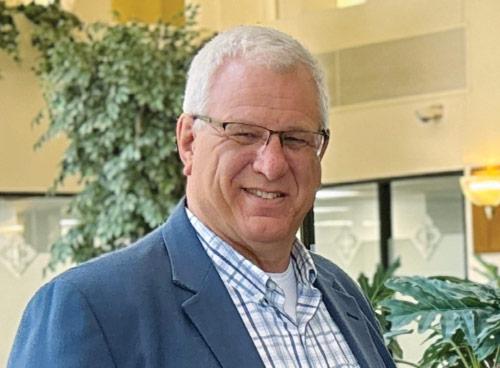
John Tuma has served on the Minnesota PUC since 2015. He serves on the Regional State Committee of the SPP and the NARUC Committee on Telecommunications. He had decades of experience working on energy and conservation policy issues for a variety of non-governmental organizations. He also served in the Minnesota House from 1995 to 2002, representing south central Minnesota.
Desiree Morningstar joined the Commission in 2025 as the new Energy Infrastructure Permitting Unit Manager with a team of 2 supervisors and 16 project managers who evaluate site and route applications for large energy infrastructure to include high-voltage transmission, solar, wind and battery storage facilities. She served 25 years with the U.S. Army Corps of Engineers’ Clean Water Act and Rivers/Harbors Act Regulatory Program as a project manager, program manager, and supervisor.
The Minnesota Public Utility Commission (PUC) aims for safe, reliable, and affordable energy for Minnesota customers and a hallmark of achieving those goals is open communication with the public. Better decisions are made when the Commission hears from its citizens and the PUC stresses sharing of thoughts and even includes instructional videos on how to participate on its website.
Minneapolis is where the NARUC Summer Policy Summit is being held July 19 to 22 and provided an opportunity for the PUF team to find out more about the host Commission. Chair Katie Sieben is also NARUC Second Vice President and in line to preside over NARUC.
The PUC opened its doors to PUF, and Commissioners and Staff took time from their busy schedules to discuss priorities, including affordability, electric-gas coordination, transmission, permitting, and more. Enjoy these conversations with Minnesota Chair Katie Sieben, Vice-Chair Joseph Sullivan, Commissioner Audrey Partridge, Commissioner Hwikwon Ham, and Commissioner John Tuma. Plus, the all-important PUC Staff.
PUF: Vice-Chair Sullivan just noted that MISO has approved nearly $35 billion in new transmission infrastructure. To accelerate that level of local deployment, Minnesota recently enacted major permitting reforms under Statute 216I. How did such a diverse coalition find political consensus on a historically divisive topic?