

How to Empower the Energy Transition
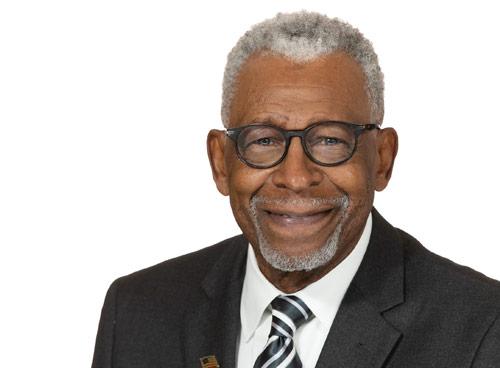
Larry Glover is an energy marketing and communications subject matter expert and community engagement specialist.
Millions of low- and moderate-income households in America face high energy burdens and limited access to clear, actionable information about the energy system. This leaves them ill equipped to manage their energy usage. Education is the connective tissue that links the Big Four energy issues: affordability, reliability, sustainability, and resiliency, into a cohesive national strategy.
As technologies such as artificial intelligence, rooftop solar, electric vehicles, and battery storage become pervasive in the marketplace, consumers are being asked to make choices that directly affect their wallets and their quality of life. Surveys show fewer than one in three Americans understands how the energy system works and trust in traditional energy institutions remains low.
Without clear guidance, the very consumers who stand to benefit most from an energy transition risk being left behind. A national energy education initiative can bridge this gap, providing the trusted knowledge households and businesses need to make informed energy decisions.
Why Energy Education Matters
Energy education is about more than teaching technical terms — it is about empowering people with practical knowledge to make better decisions about their energy use. In households, that might mean understanding how to shift energy consumption to a different time of day to save money under a new rate structure.