

Technosylva
Brandon Katz is Technosylva Executive Vice President of Product & Strategy.
Utilities are being pulled in two directions at once. On one side is an unprecedented wave of load growth, driven by data centers, AI, and electrification, which is demanding faster, larger capital investments than the industry has seen in decades. On the other is an intensifying extreme weather environment that will significantly impact asset lifespans and resiliency — namely, flooding.
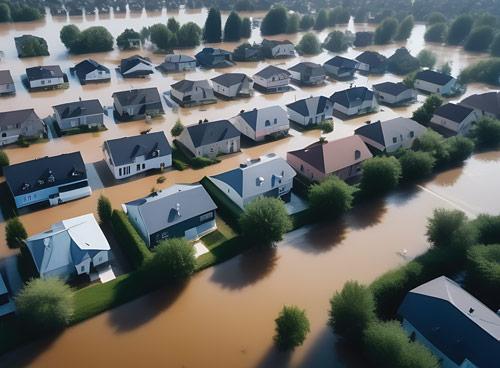
According to NOAA, the frequency of billion-dollar flood events has increased by more than 200% since the 1980s. As of November 2025, the National Weather Service issued over 5,000 flash flood warnings, more than it ever had in a single year.
For America’s electric and gas utilities, these figures are not abstract statistics. They are the backdrop against which some of the most consequential infrastructure investment decisions in a generation are being made.
When Flood Meets the Grid
The real-world consequences of this shifting risk environment have been vivid and expensive.
In September 2024, Hurricane Helene tracked deeply inland, delivering catastrophic flooding to communities across western North Carolina that had little historical precedent for events of that scale.