

Why Resilience Can’t Stop at State Lines
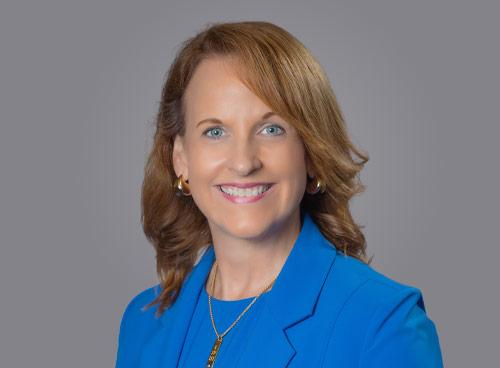
Sheri Givens is President and CEO of the Smart Electric Power Alliance.
As utility commissioners from across the country gather in Puerto Rico for NARUC’s Annual Meeting, it’s an appropriate moment to reflect on a challenge that touches every jurisdiction: How do we build a more resilient power system while keeping electricity affordable for the customers we serve?
Puerto Rico offers a powerful reminder of what is at stake. From the devastating impacts of hurricanes to the unique challenges of operating an island grid, the Commonwealth’s experience underscores the importance of planning ahead, investing strategically, and strengthening the systems communities depend on every day. Here, resilience isn’t simply a regulatory or planning exercise. It’s a necessity.
I have long believed that resilience begins and ends with the people who depend on our power system.
Earlier in my career, I had the opportunity to contribute to NARUC’s “Consumers and Catastrophes: Understanding the Impact to You, Your Family, and Your Utilities,” a guide designed to help consumers prepare for, respond to, and recover from disasters affecting essential utility services.
That work reinforced a lesson that has stayed with me: While we often discuss resilience in terms of infrastructure, investment, and regulatory frameworks, its ultimate measure is how well we protect customers and communities.
Years later, the challenges have only grown more complex.

Historically, we viewed resilience through a regional lens. Hurricanes threatened island and coastal communities. Wildfire was largely a Western concern. Ice storms challenged Northern utilities. Today, those geographic distinctions are increasingly blurred, and risks once considered regional are demanding national attention.
Wildfire is a compelling example.
Through the Wildfire Regulation and Policy Tracker (WRAPT), developed by SEPA and Pacific Northwest National Laboratory, we are seeing how quickly states are responding. In 2025, wildfire legislative activity exceeded that of the previous decade combined.
Eight states enacted utility-related wildfire legislation for the first time, including Minnesota, Kansas, and North Dakota. WRAPT now tracks 52 legislative and regulatory actions across 19 states, and the count keeps climbing.
But the more important story isn’t the number of actions. It’s the questions policymakers are confronting.
How much should utilities invest before disaster strikes? How do regulators determine whether those investments deliver meaningful protection? Who bears the financial risk when catastrophe hits? And how do we balance resilience investments with our obligation to keep electricity affordable?
These questions aren’t unique to wildfire. They are familiar to commissioners overseeing hurricane recovery, storm hardening, and other investments in grid resilience.
That is why I believe we need to approach resilience less as a collection of regional challenges and more as a shared discipline. Island and coastal utilities have developed valuable experience navigating hurricanes, storm preparedness, and restoration, often under uniquely challenging operating conditions. Western utilities have advanced approaches to wildfire mitigation and detection.
Across the country, utilities and regulators are developing innovative strategies to anticipate risks, strengthen infrastructure, and protect customers. These experiences offer lessons that can inform decisions well beyond the jurisdictions where they originated.
We shouldn’t need every jurisdiction to learn the same lessons the hard way.
As commissioners and industry leaders gather at NARUC, I hope the conversations extend beyond individual jurisdictions and focus on what we can learn from one another. Sharing what has worked, acknowledging what hasn’t, and applying those lessons can lead to better planning, more informed investments, and stronger consumer protections.
We cannot eliminate every risk facing our power system. But we can learn from one another, anticipate emerging threats, and make more informed decisions before the next disaster strikes.
The risks may cross the map, but so should our knowledge, our experience, and our commitment to the customers who depend on us.
The threats facing our power system no longer fit neatly within geographic boundaries. Neither should the lessons we learn from them.
