Cybersecurity, Reliability & CIP

An Evolution in WMP Best Practices

Ounce of Prevention

“The opportunity now is to make Wildfire Mitigation Plans more understandable, comparable, and evaluator-friendly, much as integrated resource and transmission plans became over time.”

Innovation and the Automated Grid

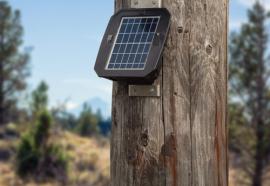
Gridware

“We’ve been told by customers they’re getting asked about Gridscope deployments on bond ratings and insurance calls – we’re hoping that in addition to direct reliability and risk reduction benefits we can provide, we’re also able to make a dent on affordability.”

Federal Power Act Section 202(c): Shaping Grid Response

Active Reliability Instrument

“Historically, Section 202(c) was used sparingly. More recently it has emerged as an active tool to address reliability as large load growth, infrastructure constraints, and weather volatility have placed sustained pressure on regional systems.”

Reliability, Risk, Resilience in a Demand-Driven Energy Future

Meeting the Moment

“One of the most underappreciated risks is the condition of aging thermal infrastructure. Without proactive life management, the utility sector risks unexpected failures. For regulators, this raises questions about how asset integrity is assessed and how lifecycle risk is factored into planning and rate cases.”

NERC Compliance Rubric of Risk

Aligning Strategy with Evolving Reliability Risks

“Today, compliance and risk management resemble a constant turning puzzle, much like Rubik’s Cube. With every move, the alignment of risk and compliance across the organization is reshaped.”

A Tale of Two Baselines: CIP-015-1 vs. CIP-010-4

Cybersecurity

“For many in the electric sector, the term baseline immediately evokes CIP-010-4 Requirement R1, a well-established standard for configuration management. But CIP-015-1 introduces a fundamentally different concept: behavioral baselining. Understanding this distinction is critical for compliance and cybersecurity effectiveness.”

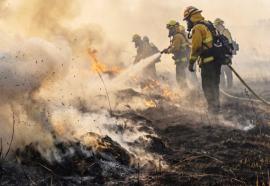
Wildfire Update

NARUC

“The intent is that all of you would have a resource to turn to when you’re evaluating utility risk management, cost recovery, financial mechanisms, and how to balance safety, reliability, and affordability when you’re considering utility investments to address wildfire.”