Law & Lawyers

Coronavirus Challenge

A Special Report

For this special feature on utilities and utility regulators meeting the challenge of the coronavirus crisis, Public Utilities Fortnightly went to two of the top experts on the grid's resilience. We like to call Scott Aaronson the most important individual in America, only half in jest. Scott leads the teams at the Edison Electric Institute focused on cyber and physical security and storm response and recovery and is the EEI's point man in this current crisis.
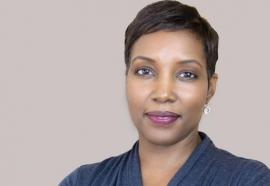
Diversity: Paula Glover

Utilities Workforce and Spend

“For our Association, and with my team, I’ve been sharing with them that it’s important for us to be more creative than we normally would be in in this pandemic. Let’s think way outside the box.”

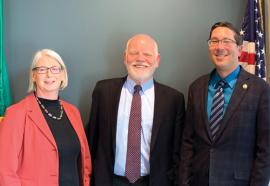
Washington State UTC: David Danner

Chair

“The Clean Energy Transformation Act. That’s the big issue. How do you ensure reliability and ensure the prices or rates are stable and predictable as we go coal free in 2025, to net carbon neutral in 2030, to a hundred percent carbon neutral in 2045?”

Washington State UTC: Jay Balasbas

Commissioner

“As we think about implementing the clean energy law, how do we at the same time change our ratemaking process to be more forward-looking, as well as give the utilities every chance of success?”

Washington State UTC: Ann Rendahl

Commissioner

“CETA requires that utilities ensure that energy is affordable, reliable, and that they make the transition to one hundred percent clean energy in an equitable manner.”

Washington State UTC: Directors

Regulatory Services and Energy Directors

“CETA is a total change in how we approach utility investment. We still have ratemaking standards to meet, we still have lowest reasonable costs. CETA does have an off-ramp if costs get out of control, in a two percent cost cap.”