
Rates, Reliability, and Region
Customer satisfaction and electric utilities.
The conventional wisdom about utility spending is correct, but key factors affecting customer satisfaction aren't obvious—and are tricky to control.


Customer satisfaction and electric utilities.
The conventional wisdom about utility spending is correct, but key factors affecting customer satisfaction aren't obvious—and are tricky to control.

Leading strategic change in the utility C-suite.
Changing corporate strategy is more difficult for utilities than for companies in many industries. Success calls for leadership on seven fronts.
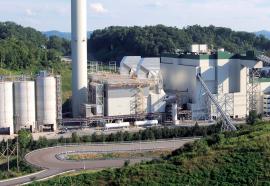
Virginia brings a new coal-fired plant online.
Reports of coal’s demise are exaggerated. This summer, Dominion cleared the regulatory gauntlet to start up a new coal plant. Whether the example can be replicated might hinge on state incentives—and the forward price of natural gas.

Five forces are putting the squeeze on electricity consumption.
It’s tempting to attribute the recent slowdown in electricity demand growth entirely to the Great Recession, but consumption growth rates have been declining for at least 50 years. The new normal rate of demand growth likely will be about half of its historic value, with demand rising by less than 1 percent per year. This market plateau calls for a new utility strategy.

Could carbon taxes emerge in the election aftermath?
Since Obama won reelection, we must ask whether we’d rather have EPA cracking down on carbon emissions, or whether a legislated framework would be better for everyone.

Utilities face rate pressure as financing costs hit rock bottom.
(November 2012) Fortnightly’s annual rate case survey is designed to give readers a look at rates of return on equity (ROE) awarded in state-level retail base rate proceedings for electric and natural gas utility companies. An examination of the reasoning and commentary contained in these orders provides a glimpse into economic factors considered by regulators as they seek to balance the interests of investors and consumers when authorizing utility ROEs.

Portfolio planning in the age of gas.
PUCs are concerned that a rapid shutdown of coal-fired plants will start a full-tilt dash to gas—similar to the one that caused bankruptcies among independent power producers in the late 1990s and early 2000s. But this time around, ratepayers and not IPP investors will be stuck with the risk, if utilities rush to add all that new gas-fired capacity to rate base.

Utilities are enjoying some of the best financing terms anybody’s ever seen. Is the party winding down?
Conditions are ideal for utility financing—but not forever. Although interest rates remain low, policy changes weigh on capital structures.

How customer satisfaction drives returns on equity for regulated electric utilities.
Data and experience show that serving customers well translates into better rate case outcomes. Conversely, poor performance starts a downward slide. J.D. Power and Associates research shows the correlation between customer service and financial returns.

How fixed income investors view the utility sector.
Bond investors are keen for signs of a legitimate recovery, and will be looking to move into holdco bonds.