Law & Lawyers

Restructuring Realities

Can higher electricity prices be more affordable?

Over the past four years, power prices increased significantly in both restructured and non-restructured states—but then the recession and falling gas prices changed the picture for retail electricity rates. Comparing various states shows a surprising result: In restructured states, electricity bills are more affordable—even though rates are higher.

Lighting Up the World

Why electricity is good—and more is better.

A century of electrification shows clearly that more electricity—and cheaper electricity—enhances public health, raises living standards and also improves the environment. Conversely, higher prices harm businesses and families, with a disproportionate impact on low-income households. Public welfare goals are best served by public policies that make electricity more accessible and affordable to the masses—not less.

PV System Performance

DC monitoring raises the bar for solar power plants

As solar generation systems grow in number and size, they will pose new challenges to the electric grid. Integrating solar energy calls for applying sophisticated monitoring and synchronization technology, to allow operators to keep track of operating parameters and ensure as much solar electricity as possible can be integrated into the grid.

Vendor Neutral

(July 2011) Williams Partners L.P. expands Transco transmission lines; Google to provide fiber optic Internet service for Kansas City, Mo.; Constellation Energy picks Lynxspring Inc.; plus contracts and developments involving Servidyne, EnerNOC, Siemens Energy and others.

Killing Coal

A senator’s crusade limits America’s options.

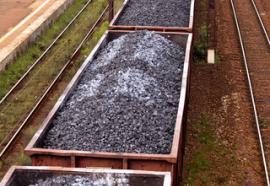
Oklahoma Sen. James Inhofe has made it his mission to block environmental regulations, especially greenhouse gas constraints. His most recent attack targets John Bryson, former Edison International CEO and Pres. Barack Obama’s nominee for Commerce Secretary. But rather than protecting economic interests, as Inhofe purportedly aims to do, his actions have added to the ongoing policy chaos that frustrates clean coal development.

Letters to the Editor

(August 2011) Economic consultant Michael Rosenzweig challenges Constantine Gonatas’s proposal for ensuring FERC’s demand response rulemaking achieves its objectives. Also, Juliet Shavit takes issue with Contributing Editor Steven Andersen’s characterization of utility customers as “crazy.”

People (August 2011)

Dynegy names new president, adds three former NRG execs to corporate staff; Pace Global Energy Services announces new v.p. in the renewable energy development group; Mid Atlantic Conference of Regulatory Utilities Commissioners elects president; plus senior staff changes at Sempra Energy, Southern Company, Constellation Energy Nuclear Group, and others.

Transactions (August 2011)

Energy Transfer Equity buys Southern Union; Google and Citi finance Alta Wind Energy Center; Calpine and GE Energy Financial Services secure project financing, plus transactions and bond issues from NiSource, Spectra Energy, FP&L, PSE&G and others, totaling more than $8.5 billion during the month of June.

Rethinking ROE

Rational estimates lead to reasonable valuations.

When regulators grant changes to utility rates of return, they estimate growth on the basis of gross domestic product (GDP). But do utilities have any chance of growing at the same pace as GDP? The answer is no — with huge consequences for utilities and their consumers. With equity costs outpacing allowed rates of return, utilities aren’t being valued correctly. As a result, the industry risks falling behind other sectors in terms of infrastructure investments and technology innovation.

The NOPR Was Late

But transmission planning, as we know it, may never be the same.

The recent landmark ruling on transmission planning cost allocation, known as “Order 1000,” and issued by the U.S. Federal Energy Regulatory Commission in late July 2011, could well produce an unintended side effect — the formation of regional compacts among states to identify needs and plan for development of new power plant projects.