Law & Lawyers

Vendor Neutral

Itron deploys meter modules throughout Black Hills territory; Siemens to supply gas turbine packages to Mississippi Power; Cisco acquires Arch Rock for IP-based wireless smart metering applications; eMeter closes $12.5 million private-equity round; Enspiria helps NV Energy secure approvals for smart grid plan; American Superconductor invests in wind-turbine blade manufacturer; DOE selects 22 carbon-capture and storage projects for R&D funding; Petra Solar wins Sandia matching grant; plus announcements from Johnson Controls, Tantalus, Cooper Power, ComEd, UISOL, Convergys, SOLON and more

Constant Vigilance

A holistic approach to smart-grid security.

In the new world of the smart grid, security isn’t a destination. It’s a sustained effort with ongoing investments across core areas of the utility enterprise.

Smothering Sparks

Enhanced standards of care for companies operating in fire-prone terrain.

Utility systems are responsible for a large share of wildfires that damage billions of dollars worth of property and threaten the safety of people and wildlife. Wildfire threats have escalated in recent years, prompting utilities and regulators to develop a more rigorous approach to mitigating the risk. Leading utilities are establishing new standards of care that eventually will evolve into national best practices.

Main Street Gold Mine

Funds collected for cost-of-removal liabilities could finance capital spending.

The industry might be overlooking a source of capital for smart-grid and similar investments. Funds collected in depreciation accounts for cost-of-removal liabilities could finance capital spending projects.

What Happened in Maryland

State case has national implications for grid modernization.

Strict adherence to cost-of-service ratemaking led to what might be considered a Luddite decision in the Maryland PSC’s initial rejection of BGE’s smart-grid filing. More than 60 years ago, the U.S. Supreme Court ruled that ratemaking calls for “pragmatic adjustments” to regulatory policy, toward the goal of sensible and effective rate orders. Delaying modernization doesn’t serve the aims of customer choice, conservation or electric system efficiency.

Bench Report: Top Ten Legal Decisions of 2010

2010 Law & Lawyers Report

1. Private Bargaining vs. Public Interest; 2. Negawatts = Megawatts?; 3. Smart Grid Skeptics; 4. Troubled Waters; 5. $1 Billion Down the Drain; 6. Feed-In Frenzy; 7. Spreading Downwind; 8. Violator Beware; 9. Greenhouse Two-Step; 10. SPP’s ‘Highway/Byway’ Plan.

Black Swans and Turkeys

The industry isn’t as robust as we might think.

Investor-owned utilities might seem fairly robust, but they’re not impervious to unpredictable black-swan events. Ensuring the industry’s survival might depend on our ability to reduce our dependence on fragile and unsustainable regulatory structures.

Transactions (November 2010)

NRG buys Green Mountain Energy; Sempra divests domestic retail commodity operation, buys back $500 million in shares; TransCanada sells $1 billion in 10-year notes; Entergy floats $1.5 billion in four tranches; Exelon sells $900 million in two bond offerings; plus issues by Southern Company, Edison International, Nevada Power and CMS.

Vendor Neutral

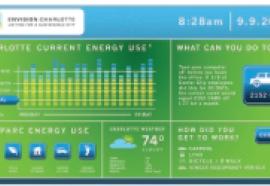
Former Pres. Bill Clinton and other dignitaries help Duke, Cisco and Charlotte, N.C., launch commercial efficiency initiative; AEP signs 20-year MOU to buy solar output from New Harvest plant; Wartsila expands gas-fired generator in Turkey; U.S. DOE awards geothermal RD&D grants; GE acquires Dresser for $3 billion, and also acquires Calnetix industrial cogen technology; SunEdison sells 70 MW Rovigo PV plant; Ford Motor Co.

Dynamic Pricing and Low-Income Customers

Correcting misconceptions about load-management programs.

Do low-income customers respond to dynamic rates? The answer is yes, and in fact such customers can benefit from dynamic pricing without shifting loads”contrary to conventional wisdom. A study co-authored by the Edison Foundation’s Institute for Electric Efficiency and the Brattle Group shows that restricting access to dynamic rates might actually be harmful to most low-income customers.